Choosing between embroidery and printing is one of the most common decisions when ordering corporate, work or promotional clothing. Both methods have their strengths, but they work well in different situations. Embroidery is associated with elegance, durability and a solid finish. Printing allows for greater graphic freedom, allowing for the reproduction of colors, gradients, and more complex designs.
There is no single answer to the question of which method is better. It all depends on the type of garment, the material, the size of the order, the budget, and the effect you want to achieve. In this article, we compare embroidery and printing in a practical way to make it easier to choose the best solution for a specific project.
Computer Embroidery – Elegance and Durability
Computer embroidery involves sewing a pattern directly onto the material using specialized digitally controlled machines. Before a logo or graphic is placed on clothing, the design must be properly prepared in an embroidery program. This stage is called digitization. This is when the number of stitches, thread direction, colors, and detail rendering are determined.
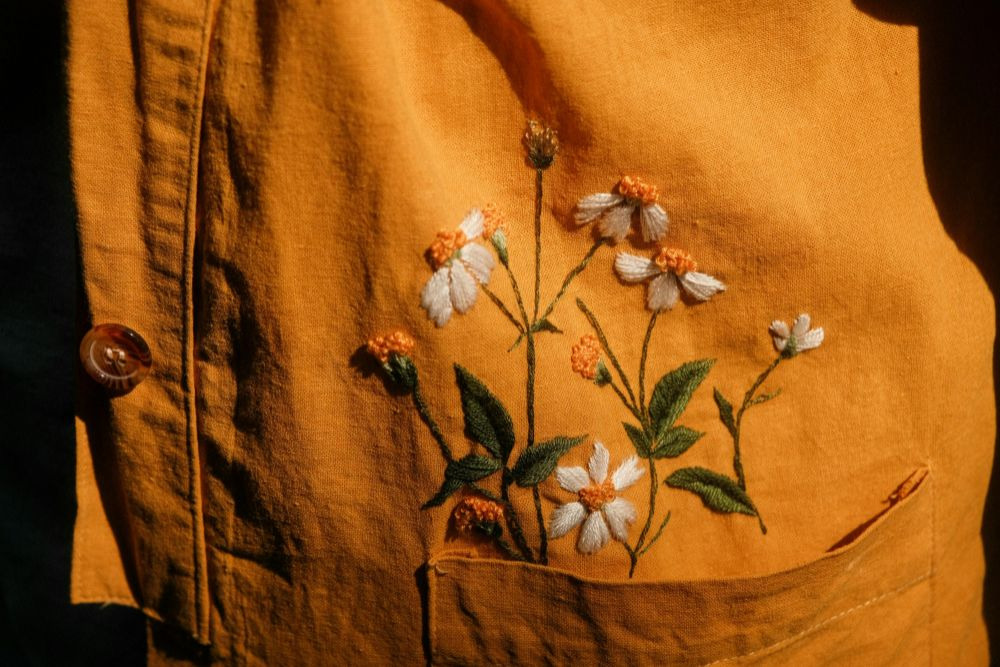
The final effect is very distinctive. The embroidery doesn't lie flat on the surface of the fabric, but creates a noticeable, slightly three-dimensional structure. This gives it an elegant and professional look. It can be made in a classic, 3D raised version or in more decorative variants, for example as chenille embroidery.
What materials does embroidery work best on?
Embroidery looks best on thicker and more stable materials. It works very well on fleeces, sweatshirts, polo shirts, jackets, hats, towels, aprons, and business shirts.
However, it's worth remembering that not all fabrics tolerate embroidery well. Thin T-shirts, very stretchy knits, or fabrics with a loose weave may wrinkle or deform. Embroidery additionally stiffens the area where it is made, so it may be less comfortable than a print on lightweight clothing.
It's also worth being careful with technical clothing, such as softshells or jackets with a membrane. The needle pierces the material, so in some cases it may damage its protective properties.
Embroidery Durability
The greatest advantage of embroidery is its durability. The pattern made with threads is permanently bonded to the fabric, so it withstands intensive use, frequent washing and contact with external factors. It doesn't crack, peel, or wear off like some prints.
For this reason, embroidery is often chosen for workwear, uniforms, catering, outdoor, and corporate clothing. If the garment will be worn for a long time and washed frequently, embroidery is one of the safest choices.
Embroidery Limitations
Embroidery, however, has its limitations. It is not the best solution for very small lettering, thin lines, gradients or photos. The minimum letter height should usually be around 5 mm, and in more decorative fonts even more. Otherwise, the text may be difficult to read.
Embroidery also doesn't work well with very large graphics. The larger the design and the more stitches, the higher the cost. A large embroidery area can also make the garment stiff and less comfortable.
Garment Printing – Freedom of Graphics and Colors
Printing gives you much greater design flexibility. It allows you to reproduce complex graphics, tonal transitions, photos, shadows and a large number of colors. This solution is particularly popular for promotional T-shirts, sportswear, event apparel, and promotional items.
The most commonly used printing methods include screen printing, DTG digital printing, sublimation, thermal transfer, and flex and flock foils. Each of these technologies has different applications, so the choice of method should depend on the material, quantity, and type of graphic.
When is it worth choosing a print?
Printing works best on smooth, thinner materials, especially cotton and polyester. It's a good choice for T-shirts, sports shirts, promotional sweatshirts, cotton bags, and event apparel.
If the design includes multiple colors, gradients, or a photo, printing is a much better choice than embroidery. It allows for a lightweight effect that doesn't weigh down the fabric or stiffen it as much as an embroidered logo.
Sublimation is often used for sportswear, especially on light-colored polyester fabrics. DTG, on the other hand, works well for short runs and personalized designs. Screen printing, on the other hand, is very cost-effective for larger quantities.
Print Durability
The durability of the print depends primarily on the chosen technology, the quality of the inks, foil and the way the garment is used. A well-made screen printing can be very durable and withstand many washes. DTG digital printing also produces good results, although it usually requires more care when washing.
Cheaper transfers or lower-quality foils may crack, peel, or fade over time. That's why proper care is important for prints: wash inside out, avoid high temperatures, and avoid strong chemicals.
Printing and Embroidery Costs
The cost of branding depends on several factors: project size, number of colors, quantity, type of garment, and selected technology.
Embroidery is usually priced based on the number of stitches. The more complex and larger the design, the higher the price. There is also a one-time cost of preparing the design for embroidery, i.e., digitizing. This cost usually does not need to be incurred again for subsequent orders.
Printing may be cheaper for large, colorful designs, especially if you order a larger quantity. Screen printing requires the preparation of matrices, so it may be less profitable for small quantities, but for larger series the unit price drops significantly. DTG and thermal transfer are advantageous for smaller orders and personalizing single items.
Patches – a solution between embroidery and printing
Patches are an interesting alternative. They can be embroidered, printed or combined with various finishing techniques. This is a good solution when directly marking clothing is difficult or when you want a more universal effect.
Embroidered patches work great on fleeces, jackets, hats, and workwear. They are durable, eye-catching, and highly visible even on textured materials. Printed patches, on the other hand, allow for better reproduction of more detailed graphics and multi-colored designs.
This is also a good solution when you want the garment to look more professional, but the design is too complex for traditional embroidery.
Embroidery or print? Key Differences
Embroidery will be a better choice if you care about elegance, a prestigious look, and high durability. It works especially well on corporate clothing, workwear, fleeces, sweatshirts, shirts, hats, and jackets.
A print is worth choosing when the design is colorful, detailed, or large. This is a good method for T-shirts, sportswear, promotional materials, and short runs with custom graphics.
In practice, a simple rule can be followed: embroidery looks best on thicker, more presentable clothing, while prints look best on light, smooth materials and designs requiring multiple colors.
Branding of corporate clothing
When it comes to corporate apparel, embroidery is often the first choice. A logo embroidered on the chest of a polo shirt, sweatshirt, or shirt looks professional and builds the image of a solid brand. Such clothing works well in the office, during client meetings, at trade shows, or in everyday team work.
Printing can be complementary. It is often used on the back, where a larger logo, advertising slogan, website address, or contact information can be placed. This makes the clothing both aesthetically pleasing and more informative.
Labeling Workwear
In workwear, durability is paramount. Clothes are frequently washed, exposed to dirt, friction, and intensive use. That's why embroidery is a very good solution here. It does not wear off easily and maintains its aesthetic appearance for a long time.
Printing can also be used, especially on T-shirts, vests, or lighter clothing. However, it is worth choosing the technology appropriate to the working conditions. Clothing for catering, construction crews, and warehouse or technical staff requires different labeling.
Sportswear and Casual Clothing
In sportswear and casual wear, print usually wins due to its lightness and graphic possibilities. On thin T-shirts, embroidery could be too heavy, stiff or uncomfortable. Printing ensures comfort and works well with dynamic, colorful designs.
Embroidery still has its place, however. It looks great on sweatshirts, hats, fleeces, and jackets. If the design is simple and you want a more elegant or premium effect, embroidery is a very good choice.
Can I combine embroidery and print?
Yes - and this is often the best solution. In many projects, both techniques can be combined to leverage the advantages of each.
For example, a company logo can be embroidered on the chest of a sweatshirt, and a larger print with the advertising slogan placed on the back. This gives the garment a professional look while also serving a promotional purpose. This combination works particularly well for clothing for employees, event teams, service companies, and brands that want to stand out visually.
Summary: What to choose?
The choice between embroidery and printing should depend on the effect you want to achieve and the type of garment you want the marking to appear on.
Embroidery is worth choosing when durability, elegance, and a professional look are important. It's a great option for corporate, work, and formal wear.
Printing works better with large, colorful graphics, photos, gradients, and lightweight materials. It's a good choice for advertising, sports, and promotional T-shirts.
A combination of both methods can also be the best solution. Embroidery can emphasize a brand's prestige, while printing can convey more information or create a more striking graphic.
Therefore, before choosing a specific technique, it's worth considering not only the price, but also the material, how the garment will be used, the size of the project, and the expected durability. Well-chosen branding will make your clothing look professional, comfortable to wear, and maintain its aesthetic appeal for a long time.
Comments (0)